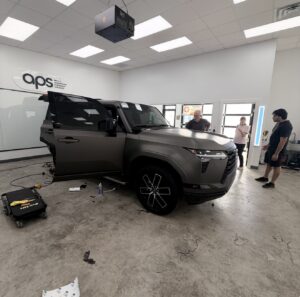
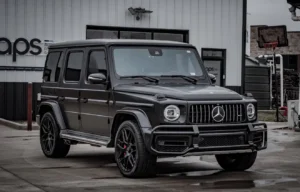
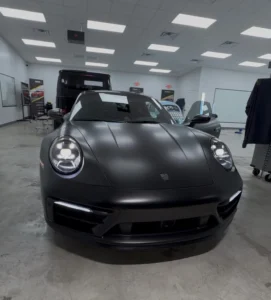
It’s summer in Austin. You’ve been inside a restaurant for 45 minutes, and when you get back to your car, the steering wheel is genuinely too hot to grip. The seatbelt buckle is a burn hazard. The AC runs on full blast for the first five minutes just to make the cabin tolerable. This is not a minor inconvenience; it’s a daily tax that Austin drivers pay all summer long. Professional window tinting changes that math significantly, and for most drivers in this climate, the investment pays back fast.
Window tint in Austin is not just a cosmetic upgrade. With summer cabin temperatures that regularly hit 140°F or higher, the right film does real work: it cuts heat before it enters the cabin, blocks UV radiation that destroys interiors, and reduces glare on some of Austin’s most demanding driving corridors. At Automotive Protection Solutions (APS), based in Southwest Austin, we’ve worked with drivers from Dripping Springs to Westlake and Lakeway to identify the right film type and darkness level for their vehicle, their commute, and their budget.
This article covers everything you need before you book an install: the five core benefits ranked by real-world value for Austin drivers, a breakdown of film types and typical price ranges, what Texas law actually requires, which film works best for your vehicle type, and what the installation process looks like from drop-off to drive-away.
What you actually get from window tint Austin installs, ranked by impact
Heat rejection: the benefit Austin drivers notice first
Untinted cars parked in Austin’s direct summer sun reach cabin temperatures between 140°F and 160°F within an hour. Quality ceramic window film rejects roughly 50, 75% of total solar energy and up to 97% of infrared heat before it enters the cabin, dropping those temperatures to the 115, 130°F range under comparable conditions. That’s a reduction of 25, 45°F that you feel the moment you open the door. Less heat entering the cabin also means your AC reaches a comfortable temperature faster and burns less fuel doing it.
Dyed film, by contrast, absorbs solar energy rather than reflecting it. The glass gets warm, and the heat radiates inward. It’s better than nothing, but in Central Texas summers, it’s a meaningful step down from ceramic performance.
UV protection and what it quietly does to your interior
Quality ceramic tint blocks 99% or more of UV radiation, both UVA and UVB. That number matters because UV exposure is what causes dashboard cracking, leather fading, and seat discoloration over time. These are real costs: a cracked dashboard on a luxury vehicle can run hundreds to thousands of dollars to address, and faded leather seats hurt resale value on any car. UV protection is the benefit you don’t notice until you’ve skipped it for five years and your interior looks a decade older than the car actually is.
Dyed and metallic films offer some UV protection, but the blocking rates are lower and less consistent than ceramic. For daily drivers and especially for luxury vehicles, the UV argument alone justifies the upgrade to a premium ceramic film.
Glare reduction, privacy, and the underrated benefits
Glare reduction ranks third on this list, but don’t dismiss it as a comfort perk. Austin’s westward highways, particularly the 71 and 290 corridors heading into the Hill Country, funnel direct afternoon sun straight into drivers’ eyes. That’s a real safety concern with a straightforward fix. A darker tint in the legal range can reduce glare and improve both comfort and visibility on those commutes.
Privacy is the fourth benefit: a moderate tint level may help deter opportunistic smash-and-grab theft by making valuables harder to see from outside. It’s not a security system, but it adds a passive layer of deterrence at no extra cost once the film is installed. Both benefits are real and worth having; they just rank below heat and UV in raw value for the average Austin driver.
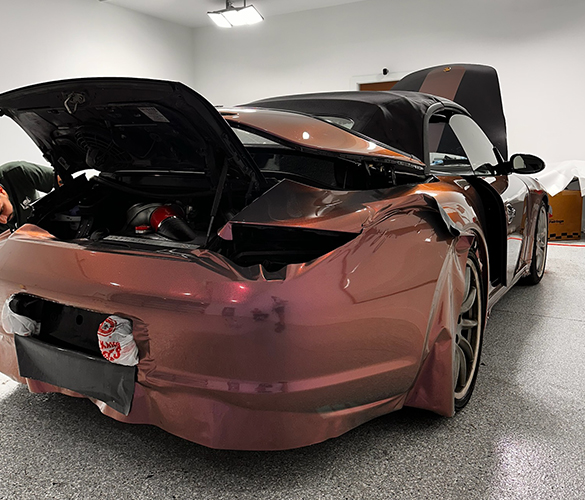
Color PPF and Color Vinyl Wrap protect and enhance your vehicle with premium style and shine.
Transform your vehicle today!
Learn more about window tint here: How Much Does Paint Protection Film Cost?
Ceramic, dyed, or metallic: which auto window tint holds up in Texas heat
Dyed film: the entry point and its limits
For a sedan in Austin, dyed film typically runs $100, $250. It’s the budget entry point, and for short-term ownership or the tightest budget situations, it does the job. The catch is that dyed film absorbs solar energy rather than reflecting it, so the glass itself gets warm. Under intense Texas UV, dyed film also fades and can turn purple within a few years. If you’re keeping the car for five or more years, the economics of re-tinting eventually eat into whatever you saved upfront.
Metallic film: the middle ground that works but has a catch
Metallic film runs $200, $400 for a sedan and reflects heat better than dyed film. It’s also more durable and holds its color longer. The problem for Austin drivers specifically is signal interference: the metallic layer can disrupt GPS, Bluetooth, cell signals, and toll tag readers. Toll readers and in-car signals can be particularly affected on roads like 183A and the 45 toll corridor, making this a real-world inconvenience for regular commuters. If your vehicle doesn’t rely heavily on electronic signals and you’re working within a moderate budget, metallic is a viable choice.
Ceramic window tint Austin drivers rely on: why it’s the default recommendation
Ceramic film runs $300, $800 for a sedan and is the clear recommendation for Austin’s climate. It rejects the most heat, blocks 99%+ of UV, causes zero electronic interference, and typically carries lifetime or 10-year manufacturer warranties. For a city that sees as much direct sun as Austin does year-round, the difference between ceramic and dyed film becomes visible within three to five years. Premium ceramic lines like Suntek’s CIR series are what separate an install backed by a long-term warranty from one that fades and bubbles in three years.
The upfront cost difference between dyed and ceramic is real, but when you factor in re-tint costs on dyed film, UV damage savings on the interior, and resale value protection over five or more years of ownership, the math favors ceramic for most Austin drivers.
Texas tint laws: what’s legal before you book an install
VLT limits by window and enforcement reality
Austin follows Texas state law with no city overlay. For passenger vehicles, front side windows must allow at least 25% visible light transmission (VLT). Rear side windows and the rear window can be any darkness. The windshield is limited to the top 5 inches only, must be non-reflective, and front window reflectivity must stay under 25%. Violations are classified as a Class C misdemeanor with fines up to $200 for a first offense, and courts can order tint removal on top of the fine.
The inspection risk most drivers overlook
The more practical enforcement point is the state vehicle inspection: front windows with less than 25% VLT will fail. A failed inspection means a failed sticker, which means driving with an expired sticker until you get re-tinted and re-inspected. That’s time, money, and hassle that a legal install from the start completely avoids. When you’re choosing your darkness level, the 25% front window limit is the number that actually has teeth for most drivers.
Matching the right window tinting in Austin to your vehicle and how you drive
Daily drivers and family vehicles in Austin’s suburbs
For sedans, crossovers, and minivans doing daily runs on MoPac, 183, or 290, a mid-to-premium ceramic film in the 35% VLT range for front windows hits the right balance of performance and legality. Heat rejection and UV protection are the priorities. APS serves drivers across Southwest Austin, including Dripping Springs, Lakeway, and Westlake, which means shorter drive times and no downtown shop wait times for families and commuters in these areas.
Luxury, high-end, and exotic vehicles
On a premium vehicle, the installer’s precision matters as much as the film brand. Even small installation defects show clearly against high-quality factory glass, and a generic template cut can leave edges that lift over time. APS has direct experience with high-end and exotic vehicles and uses premium film lines cut precisely for each vehicle’s specific glass geometry. Ceramic tint is always the right choice here, both for its performance ceiling and for protecting the resale value that makes these vehicles worth protecting in the first place.
Trucks and SUVs: more glass, different priorities
Trucks and SUVs carry more glass surface, which pushes ceramic installation costs into the $400, $900 range. The rear windows on trucks offer the biggest privacy payoff, since rear-seat and bed visibility is a real concern for anyone carrying tools, gear, or equipment. Full ceramic coverage on an SUV is still the right call for Austin’s climate. The heat rejection benefit scales with the glass area, so larger vehicles actually feel the impact more noticeably than a compact sedan.
What a professional vehicle tinting Austin installation looks like from drop-off to drive-away
The installation process step by step
A professional install starts with thorough glass cleaning to remove any contamination that would trap debris under the film. The film is then cut to the exact dimensions of each window, either by computer-plotted template or precise hand-cutting. Application uses a slip solution that lets the film position correctly before the adhesive sets. A squeegee and heat gun remove any air or moisture, and the film seats flat against the glass. For a standard sedan, total install time runs 1.5, 3 hours. SUVs and trucks with more glass typically run 2, 4 hours, and many local shops complete installs the same day.
Curing time and what not to do afterward
After installation, tint takes 48, 72 hours to cure under normal conditions. During that window, don’t roll the windows down, the edges of the film need to bond fully to the glass before the rubber seals contact them. Small water bubbles visible through the glass during curing are completely normal. They’re moisture between the film and glass working its way out as the adhesive dries, and they disappear on their own. A quality installer tells you all of this before you leave the shop. If a shop doesn’t mention curing at all, that’s worth noting.
Keeping your tint in top shape after install
The first 48, 72 hours matter most
The post-install rules are simple: no window operation, no cleaning the inside glass, and avoid high-pressure water near the window edges during the first few days. Parking in a shaded spot during curing isn’t strictly required, but avoiding prolonged extreme heat exposure during the first 72 hours gives the adhesive bond the best chance to set properly. Patience during this window directly determines whether the tint lays perfectly flat long-term or develops edge lift issues.
Long-term care that extends the life of your film
Ceramic film is low-maintenance by design, but cleaning matters. Use only ammonia-free glass cleaners; ammonia degrades the film over time and can cause hazing or adhesion problems. Use a soft microfiber cloth, not paper towels, which can scratch the film surface. For vehicles that also have ceramic coating on the paint, coordinate your tint cleaning with the same care routine you’re already using. Premium ceramic film under a lifetime warranty can last the life of the vehicle with proper care, 10, 15 years is a realistic expectation in Central Texas conditions for a quality install on a quality film.
What window tint in Austin is worth for drivers: the bottom line
Ranked by real-world value, heat rejection is the biggest win window tinting delivers in Austin’s climate. UV protection compounds that value over time by preserving your interior and protecting resale. The right film type, specifically ceramic for most Austin drivers, determines whether that investment holds up for a decade or needs to be redone in three years. Dyed film saves money upfront and costs more over time; ceramic costs more upfront and pays off over the life of the vehicle.
Texas law is straightforward: 25% VLT minimum on front side windows, any darkness on the rear. A legal install from a shop that knows these limits protects you from both traffic stops and failed inspections. The installation itself, done right, is typically a same-day job with a 48, 72 hour curing window before you’re back to normal use.
At Automotive Protection Solutions (APS) in Southwest Austin, we work with drivers across the Dripping Springs, Lakeway, and Westlake corridors who want ceramic film installed precisely, legally, and without the runaround. If you’re searching for window tint near you in Austin, TX, and want to talk through which film type makes the most sense for your vehicle and how you drive, reach out to our team directly. We’re happy to walk through your options before you book.